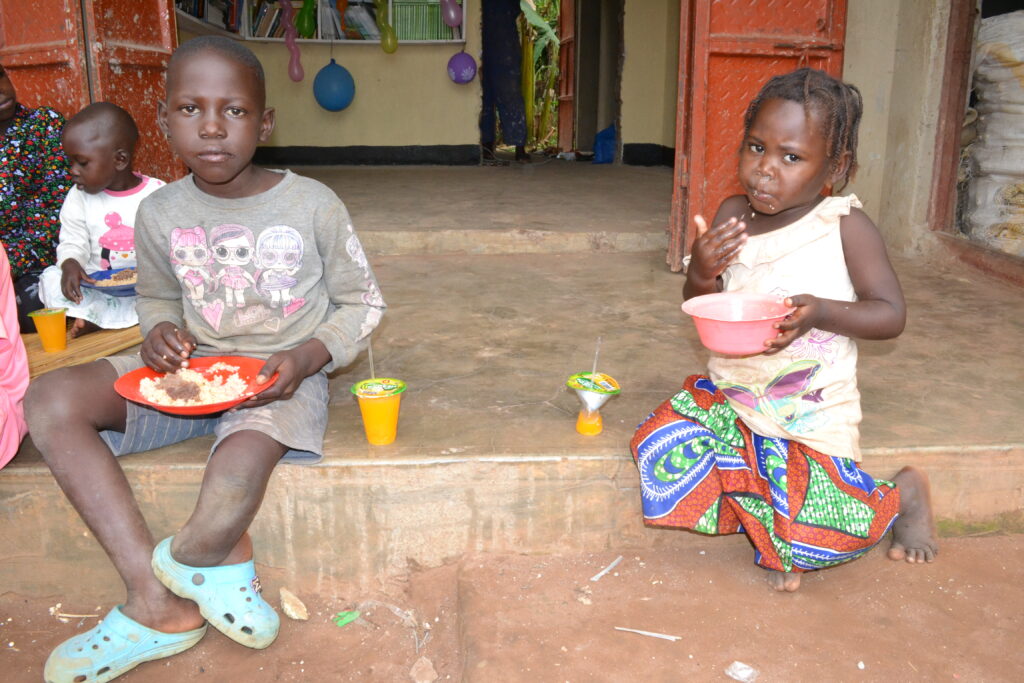
We believe that good health is the foundation of every child’s and youth’s success. Our Health and Wellbeing Program focuses on Sexual Reproductive Health and Rights (SRHR), Mental Health, Water, Sanitation, and Hygiene (WASH), Menstrual Hygiene Management, and Nutrition. We combine education, awareness, and community engagement to enable young people to lead healthy and dignified lives.
Sexual Reproductive Health & Rights (SRHR)
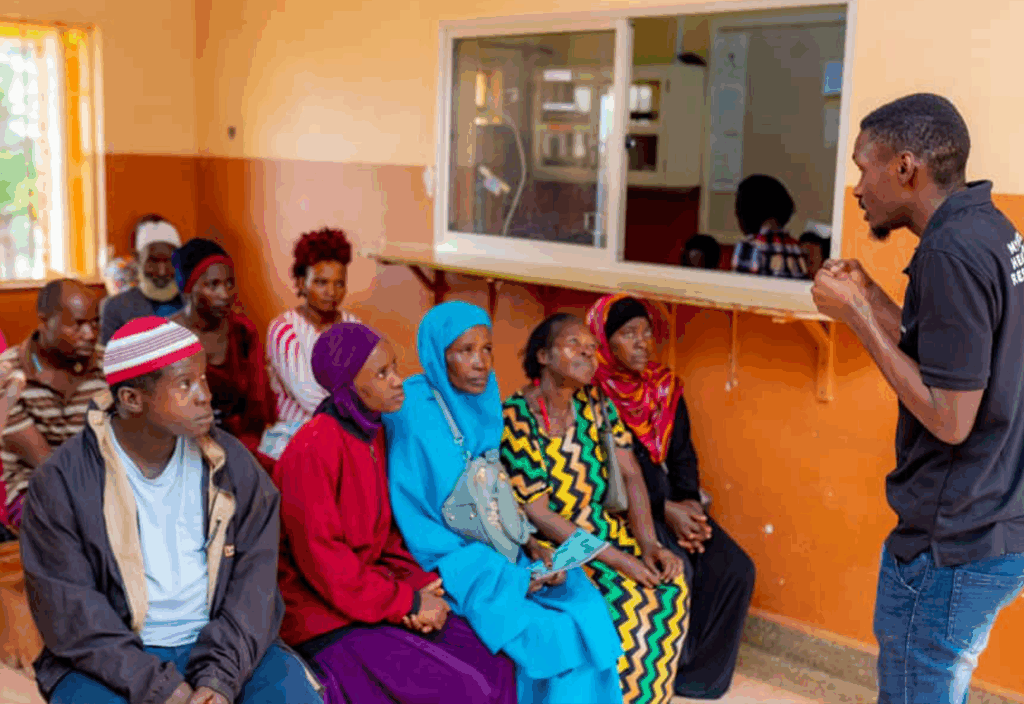
We address the high rates of teenage pregnancy, sexually transmitted infections (STIs), and limited reproductive health knowledge among adolescents. Our SRHR interventions include age-appropriate, culturally sensitive education on puberty, consent, and menstruation; creation of safe discussion spaces for youth; facilitation of community dialogues to reduce stigma; and referrals to youth-friendly health services in partnership with local clinics.
Mental Health and Substance Abuse Prevention
Our mental health component promotes emotional wellness and discourages harmful practices. We train teachers, sport coaches and peer educators to deliver psychosocial support and establish peer mentorship groups that encourage open dialogue. We also integrate creative expression through storytelling and sports to strengthen resilience among children and youth.
WASH & Menstrual Hygiene Management (MHM)
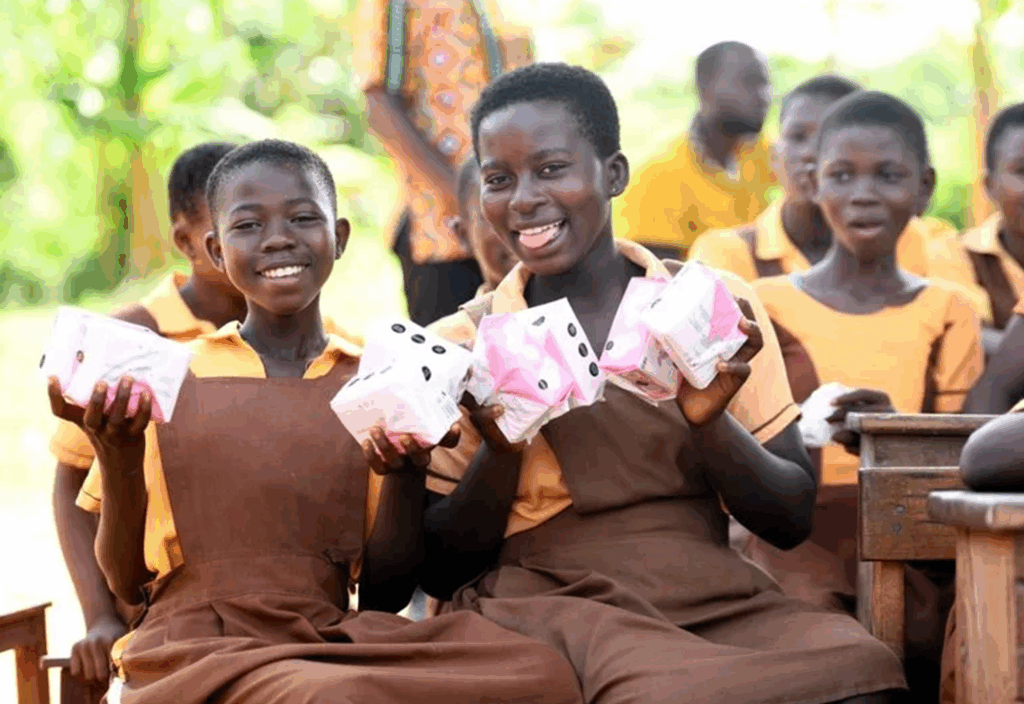
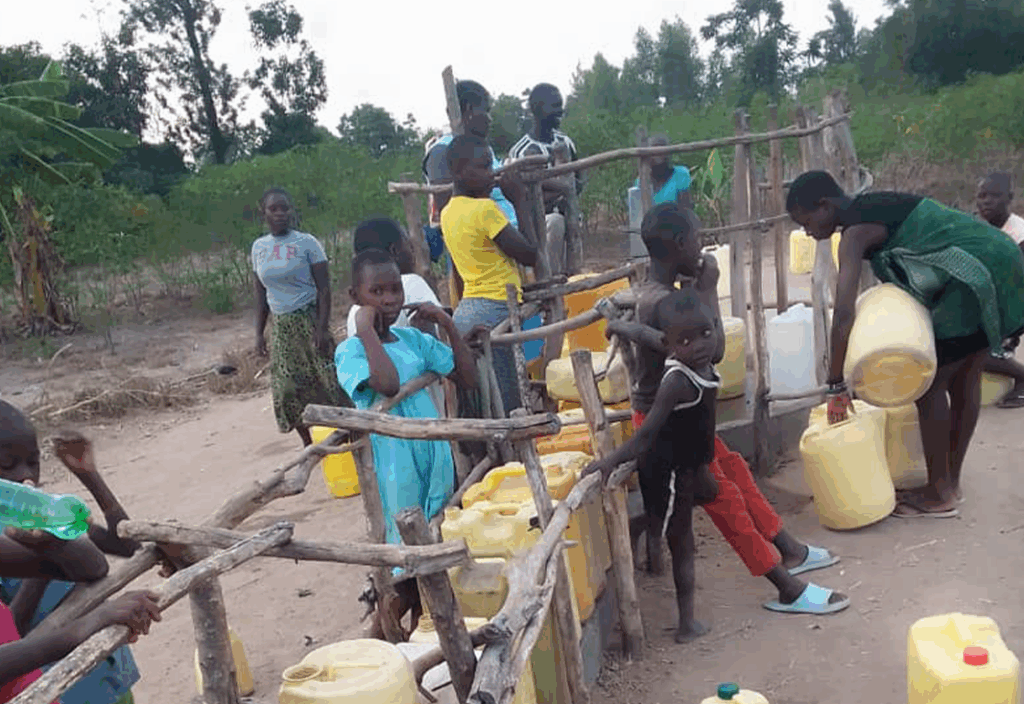
Access to clean water and sanitation is critical for a child’s learning and health. Our WASH initiative ensures schools and communities have clean water, handwashing facilities, and menstrual hygiene education. We drill boreholes, install tanks for water harvesting, and conduct hygiene workshops. We also distribute reusable sanitary pads and hygiene kits while supporting school-based WASH clubs.
Nutrition
Proper nutrition is essential for a child’s cognitive development and overall health. Through our Nutrition Program, we educate families on balanced diets, support school feeding programs, and work with community members to promote backyard gardening and sustainable food practices that reduce malnutrition.